How the LifeCome Platform Is Organised

NCDF Group’s LifeCome platform brings together two businesses with complementary responsibilities: LifeCome Hospitals and Greenovus Health Energy.

The architecture connects facility planning, operations and power infrastructure through defined project responsibilities and shared performance oversight.

WHAT IS THE LIFECOME PLATFORM

A Structure for Coordinating Healthcare Assets and Essential Power

The platform provides a common strategic framework for healthcare facilities and the energy systems that support them. It allows clinical service requirements, technical design and operating costs to be considered together while preserving accountability within each business.

The Core Platform Structure

LifeCome Hospitals

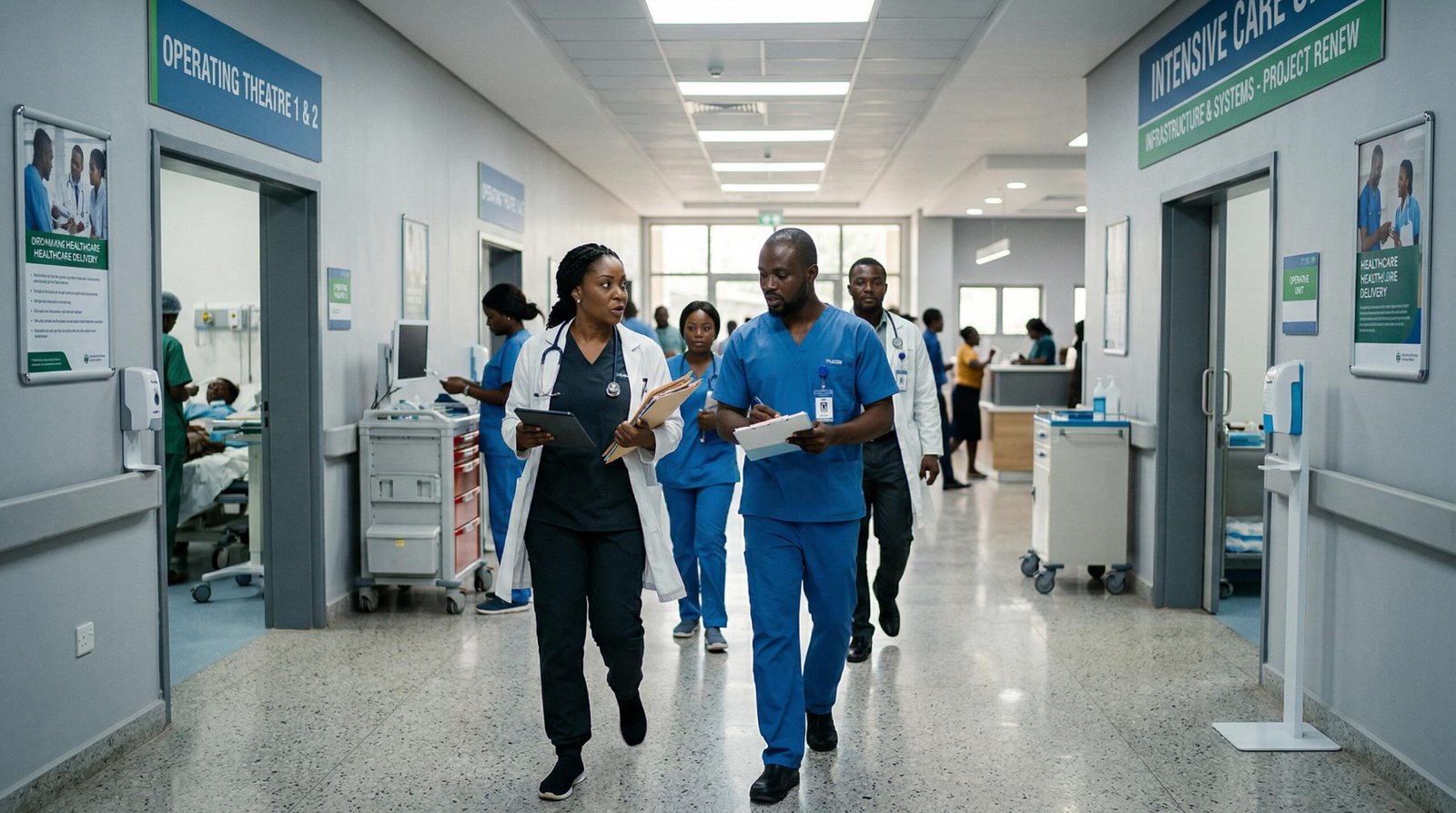
LifeCome Hospitals focuses on facility development and rehabilitation, equipment planning, hospital management and the resources required for clinical service delivery. Its remit includes hospital projects and primary healthcare facility partnerships.

Greenovus Health Energy

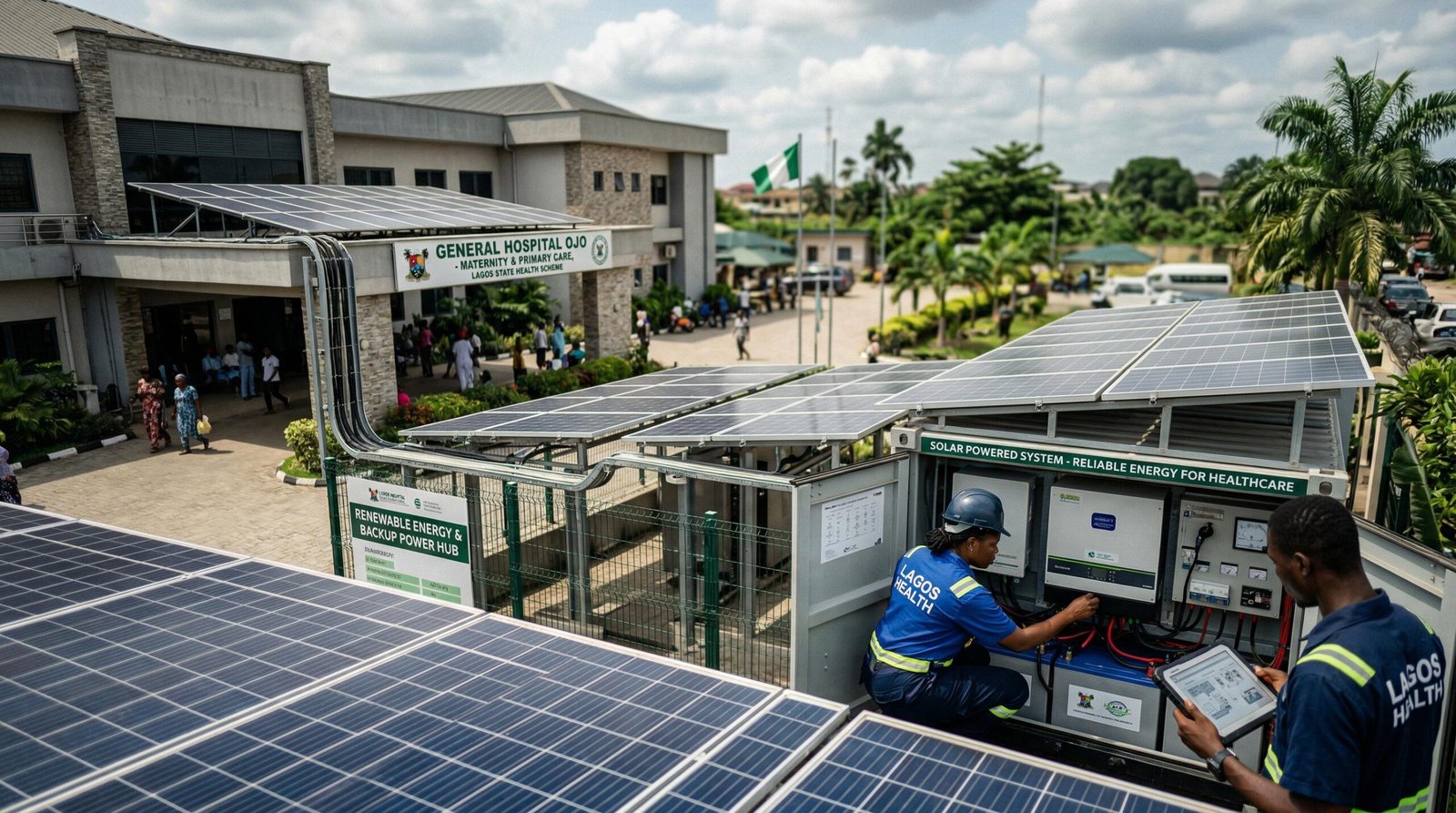
Greenovus Health Energy focuses on the power requirements of healthcare institutions. Its remit covers energy assessment, appropriate system design and development, and arrangements for operation, maintenance and performance monitoring.

HOW THE SYSTEM WORKS

Aligning Service Plans With Infrastructure Requirements

Planning begins with the services a facility is expected to provide. Those services determine requirements for clinical space, staff, equipment and essential utilities. Energy assessment identifies demand, critical loads and the arrangements needed to support them.

The project plan then assigns delivery responsibilities, funding requirements and commissioning criteria. During operations, facility and energy information should inform maintenance decisions and corrective action.

THE DIGITAL LAYER

Technology That Supports Facility Management

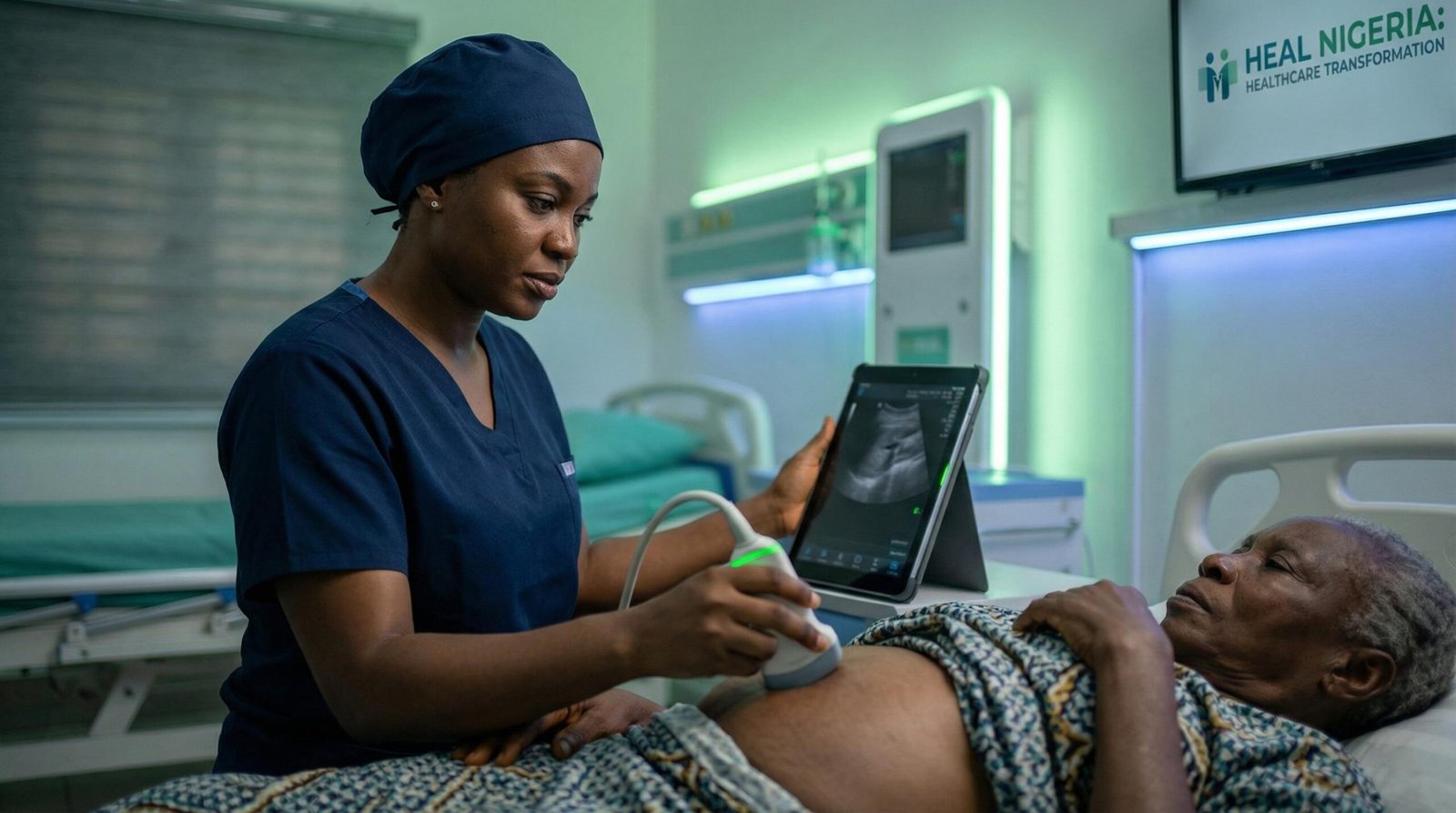
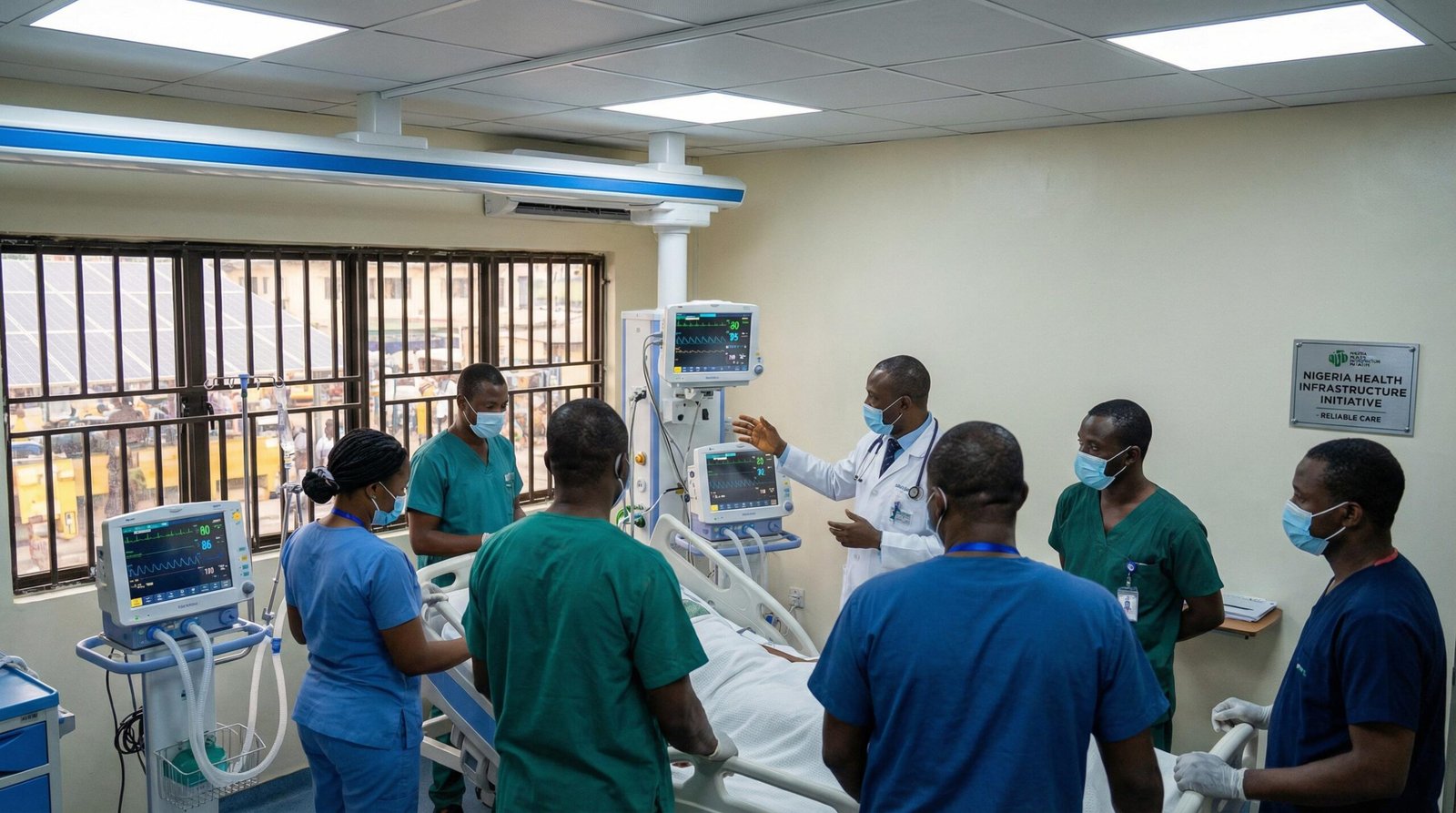
Hospital information systems, patient records, billing tools and asset registers can support the operation of healthcare facilities. Energy monitoring provides information on system output, faults and performance against agreed requirements.

Technology is selected according to the needs and readiness of each project. Appropriate access controls, information governance and support arrangements form part of deployment. These tools support the two businesses’ responsibilities within the platform.

PUBLIC PRIVATE PARTNERSHIP DELIVERY MODEL

Responsibilities Defined Around the Asset

A partnership structure should establish who owns the asset, who has authority to undertake the work and who is responsible for operations. It should also define public oversight, performance reporting, maintenance obligations and the conditions governing handback or termination.

The precise allocation is set by each agreement. Project planning must reflect those rights and responsibilities.

CAPITAL & OPERATING MODEL

Funding the Full Requirements of Delivery

Project budgets should account for development costs, mobilisation, working capital and continuing maintenance. Hospital operating income and energy service income are assessed according to their respective agreements and cost structures.

Where the businesses work on the same project, clear commercial arrangements support visibility into costs and performance.

WHY INTEGRATION MATTERS

Better Coordination at the Points Where Services Depend on Infrastructure

Clinical equipment needs suitable power. Facility design affects energy demand. Maintenance schedules affect the availability of treatment spaces and equipment. Coordinating these decisions can reduce avoidable gaps between technical delivery and hospital operations.

The platform’s value lies in bringing those dependencies into planning and assigning responsibility for addressing them.

NATIONAL SCALE VISION

A Repeatable Approach Adapted to Each Institution

LifeCome’s ambition is to apply consistent assessment and management practices across a carefully developed portfolio in Nigeria. Each project still requires its own service model, technical design and delivery arrangements.

PLATFORM ADVANTAGE

Clearer Planning and Responsibility Across Two Businesses.

The structure brings facility and energy expertise into the same project discussion. It supports earlier identification of operational dependencies, more complete assessment of lifecycle costs and clearer reporting on the work each business undertakes.