Greenovus Health Energy is the healthcare energy business within NCDF Group’s LifeCome platform. We focus on power solutions that reflect the operating needs of hospitals and health centres, with attention to critical services and long-term system performance.
Healthcare institutions depend on electricity for equipment, lighting, refrigeration and the systems that support clinical work. The consequences of disruption vary across departments, making it essential to understand which loads require priority protection.
Our approach starts with the facility’s actual energy demand and service requirements. Resilience is developed through suitable design, backup arrangements, maintenance and an agreed response to faults.
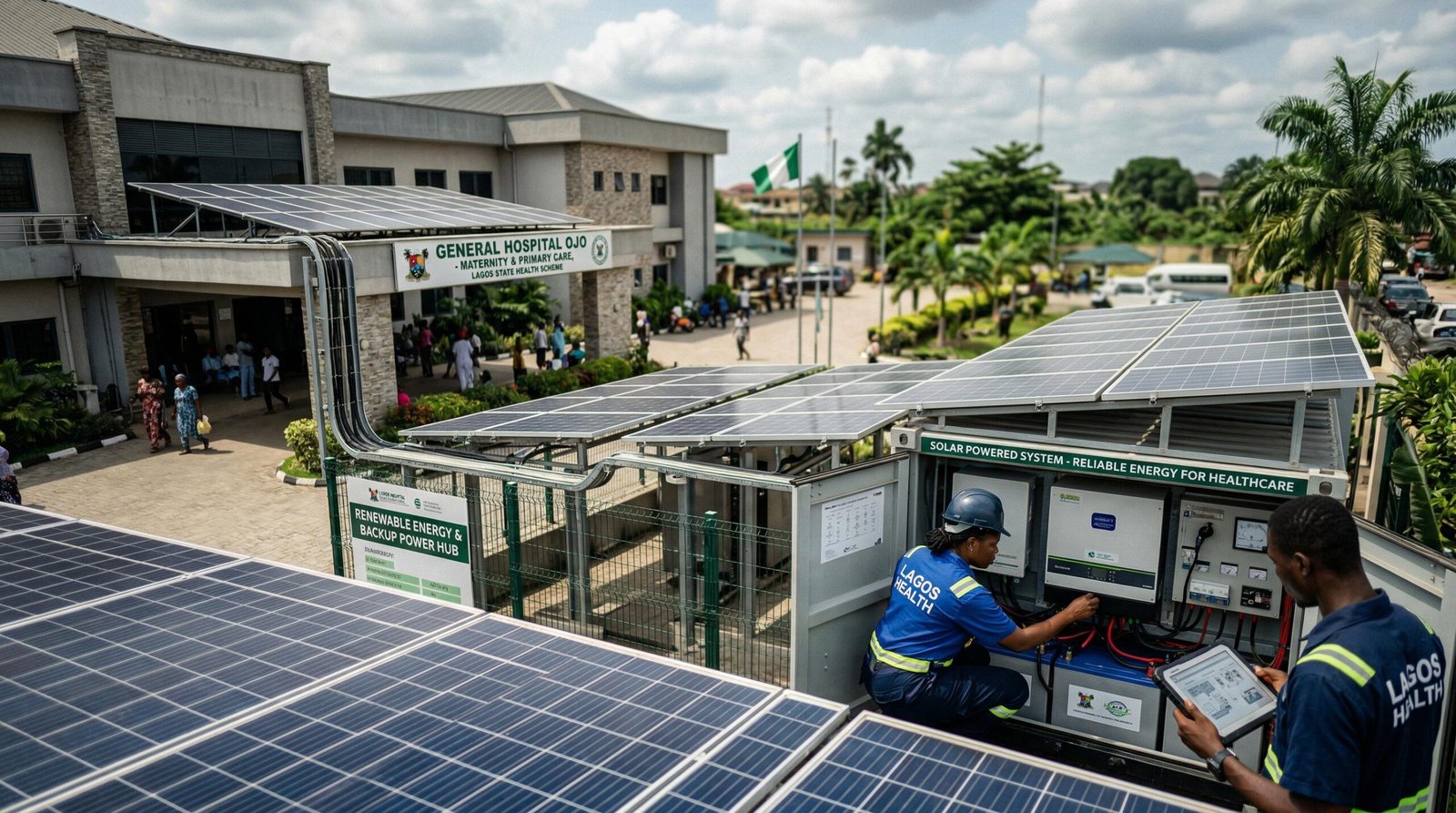
Greenovus Health Energy’s scope includes facility energy assessments, system development and arrangements for operation and maintenance. Solutions may combine solar generation, battery storage, control systems and integration with available grid or generator supplies.
The appropriate configuration depends on load profiles, site conditions, critical service requirements and lifecycle cost. Technical choices should support the institution’s operating plan and capacity to maintain the system.
Energy as a Service allows a healthcare institution to obtain energy infrastructure and ongoing support through an agreed service arrangement. Depending on the contract, a project partner may finance, install, operate and maintain the system, with the institution making defined service payments.
Each proposal requires technical and commercial assessment. Payment terms, asset ownership, performance responsibilities and any initial contribution are agreed for the specific project.
Greenovus solutions are tailored to the operational realities of healthcare institutions.
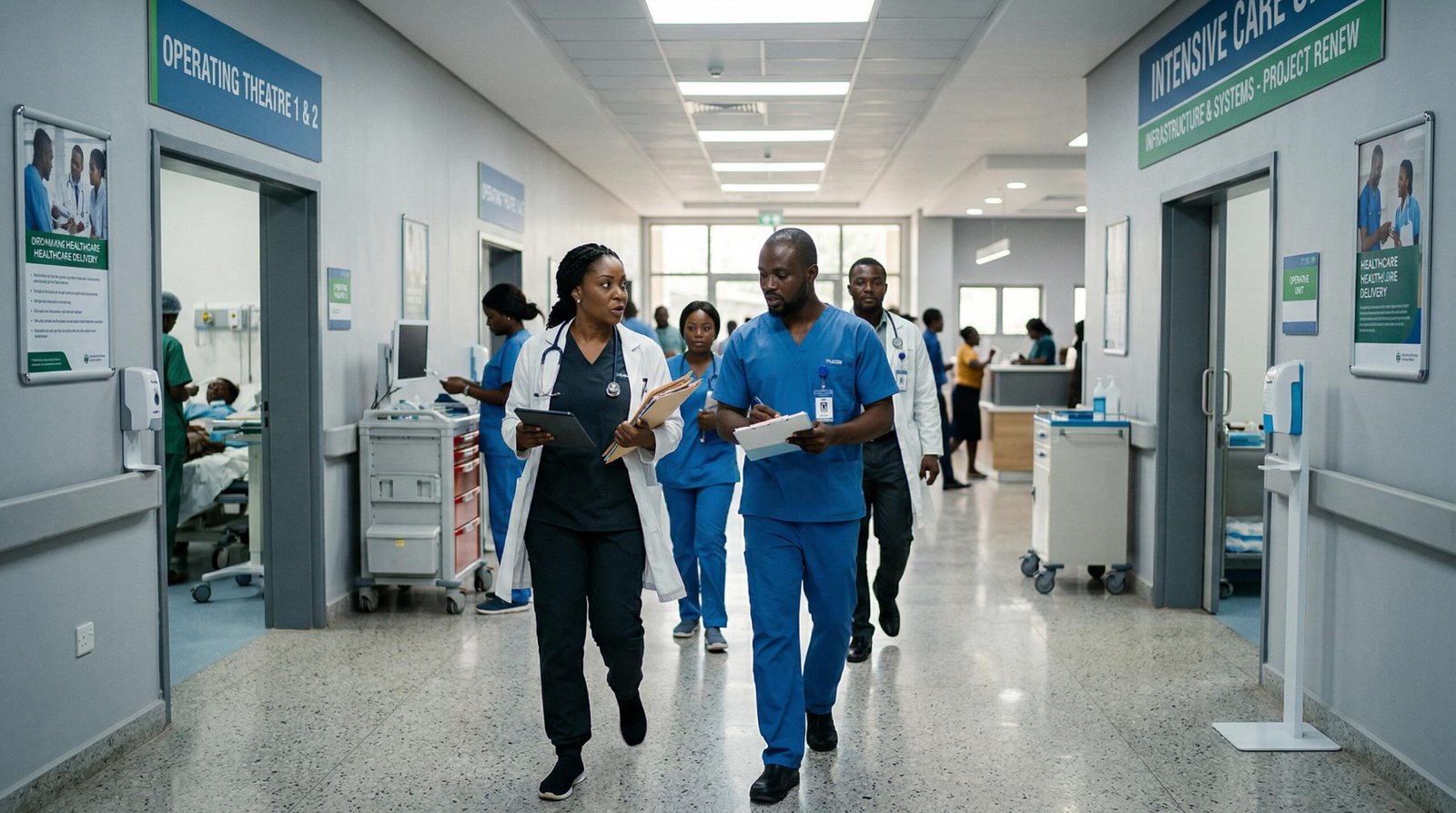
Power planning around the requirements of clinical departments, inpatient services, diagnostics and supporting hospital operations.
Energy solutions suited to community facilities, including the agreed needs of lighting, refrigeration, equipment and routine services.
Assessment of larger and more complex loads across treatment, diagnostic, training and research environments, with development phased where appropriate.
Our programme focus includes energy requirements associated with LifeCome Hospitals projects and opportunities with other public and private healthcare institutions.
Potential programmes are assessed through site information, technical studies and commercial discussions. Deployment scope and schedules are established through the relevant project agreements.
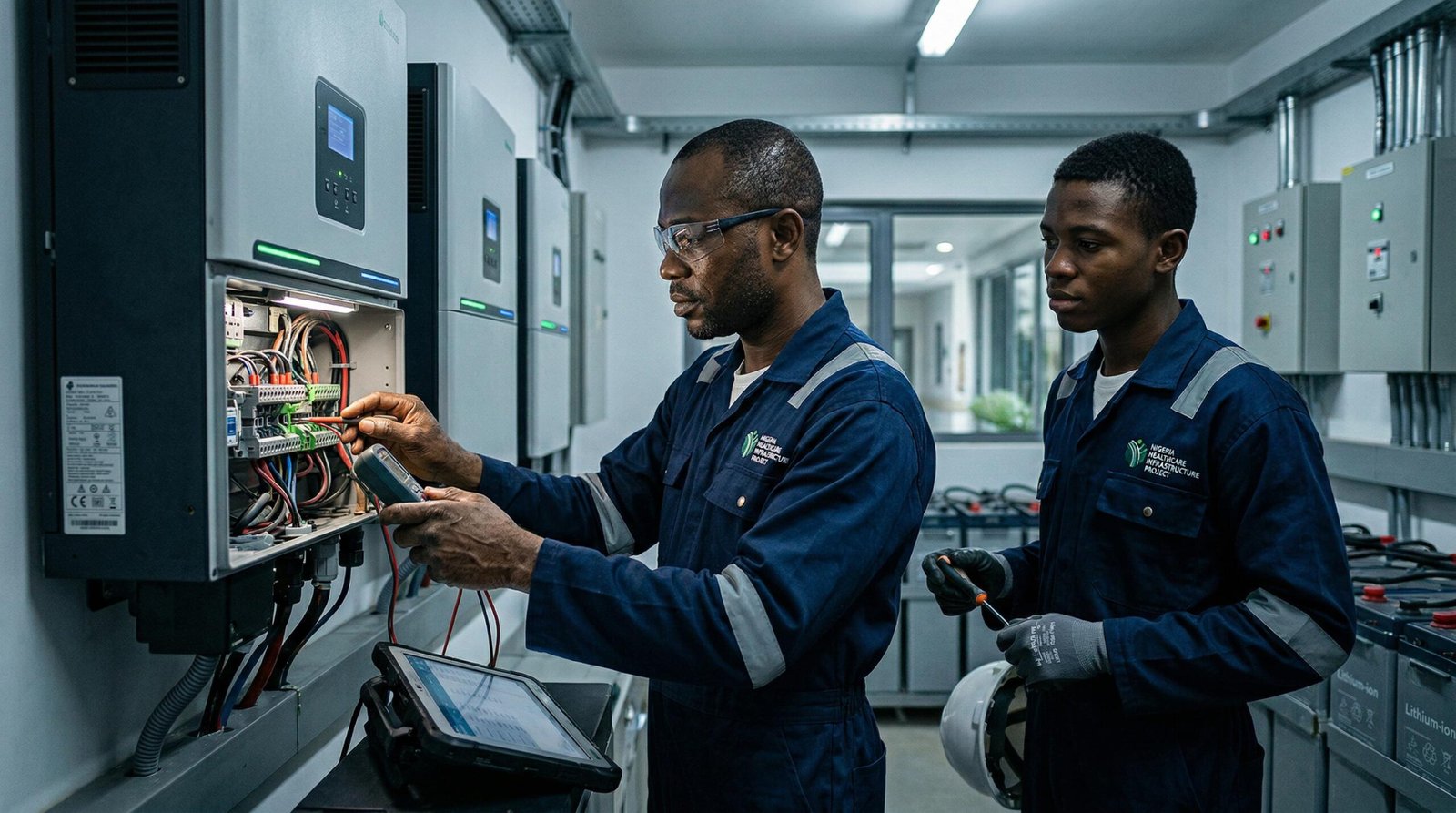
Energy infrastructure requires continuing attention after installation. The operating approach should establish monitoring, preventive maintenance, fault reporting and access to suitable replacement components.
Performance measures and response arrangements are defined in the service agreement. The maintenance plan should account for equipment condition, warranty requirements and the replacement of components over time.
Within the LifeCome platform, Greenovus Health Energy can work with LifeCome Hospitals to align energy planning with clinical and facility requirements. Its responsibilities remain defined through the project scope and relevant service arrangements.
Greenovus Health Energy also welcomes engagement with healthcare institutions outside the LifeCome Hospitals portfolio.
Appropriately designed solar and storage systems can reduce generator use and support more efficient energy management. The potential benefit depends on the facility’s starting position, system configuration and operating pattern.
Assessment should consider energy output, fuel use, replacement requirements and responsible handling of equipment at the end of its life. Environmental and cost claims should be supported by project evidence.
Healthcare energy partnerships bring together the institution, technical delivery partners and, where appropriate, capital providers. Agreements should define site access, asset ownership, service requirements, payment obligations and maintenance responsibilities.
Clear arrangements for faults, underperformance and contract expiry support a more accountable relationship throughout the project.

Our priority is to develop technically suitable and financially workable energy projects for healthcare institutions. We invite hospital owners and partners to discuss the facilities they serve, the power challenges they face and the evidence available for assessment.